
Fastest DJ Set Tracks Per Hour Record: James Hype Plans 1,000 Tracks in 2 Hours
The fastest DJ set tracks per hour record is about to be redefined. James Hype has announced he will attempt to play 1,000 tracks in just two hours this December, deploying a staggering 16 CDJs to do it. That works out to roughly 8.3 tracks every single minute, a pace that makes even the most high-energy Ibiza peak-hour sets look leisurely by comparison. He himself has admitted it: “In December 2026, I’m attempting something I think is impossible.”
How James Hype Plans to Pull It Off
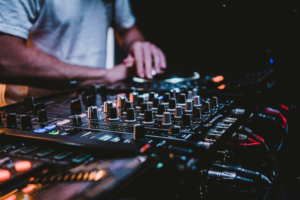
Hype is no stranger to speed. He built his name on rapid-fire edits and hyper-compressed club cuts that have consistently charted on Beatport and soundtracked some of the biggest rooms on the global circuit. But this is a different category entirely. Sixteen CDJs rigged simultaneously suggests a setup closer to a production stunt than a conventional club performance, with Hype needing to cue, blend, and transition at a rate that leaves almost no room for error or crowd-reading. Every second of those two hours has to count.
What This Means for DJ Culture
The DJ set speed record attempt taps into a broader conversation happening right now around what a DJ performance actually is, and what it should be. On dancefloors from Amnesia to Fabric, the craft debate never goes away. Purists argue that restraint and selection define the art. Hype is deliberately pushing the other extreme, framing the exercise as spectacle and benchmark at once. Whether the result is a club performance benchmark for future generations or a one-off showpiece, it will shift the conversation.
The Business Logic Behind the Stunt
From a chart milestone perspective, the stunt is clever positioning. Hype keeps his name in the cultural conversation during a period when streaming numbers and Beatport placement increasingly dictate who gets the big bookings. A globally covered record attempt is the kind of dance music spectacle that generates the press, the social traction, and the Shazam spikes that feed back into chart performance. The business logic is as sharp as the DJ logic.
Specific venue details and the precise date within December 2026 have not yet been confirmed, but the announcement alone has already put the wider scene on notice. Watch the CDJ count. Watch the clock. And watch whether 1,000 tracks in 120 minutes turns out to be as impossible as he thinks.